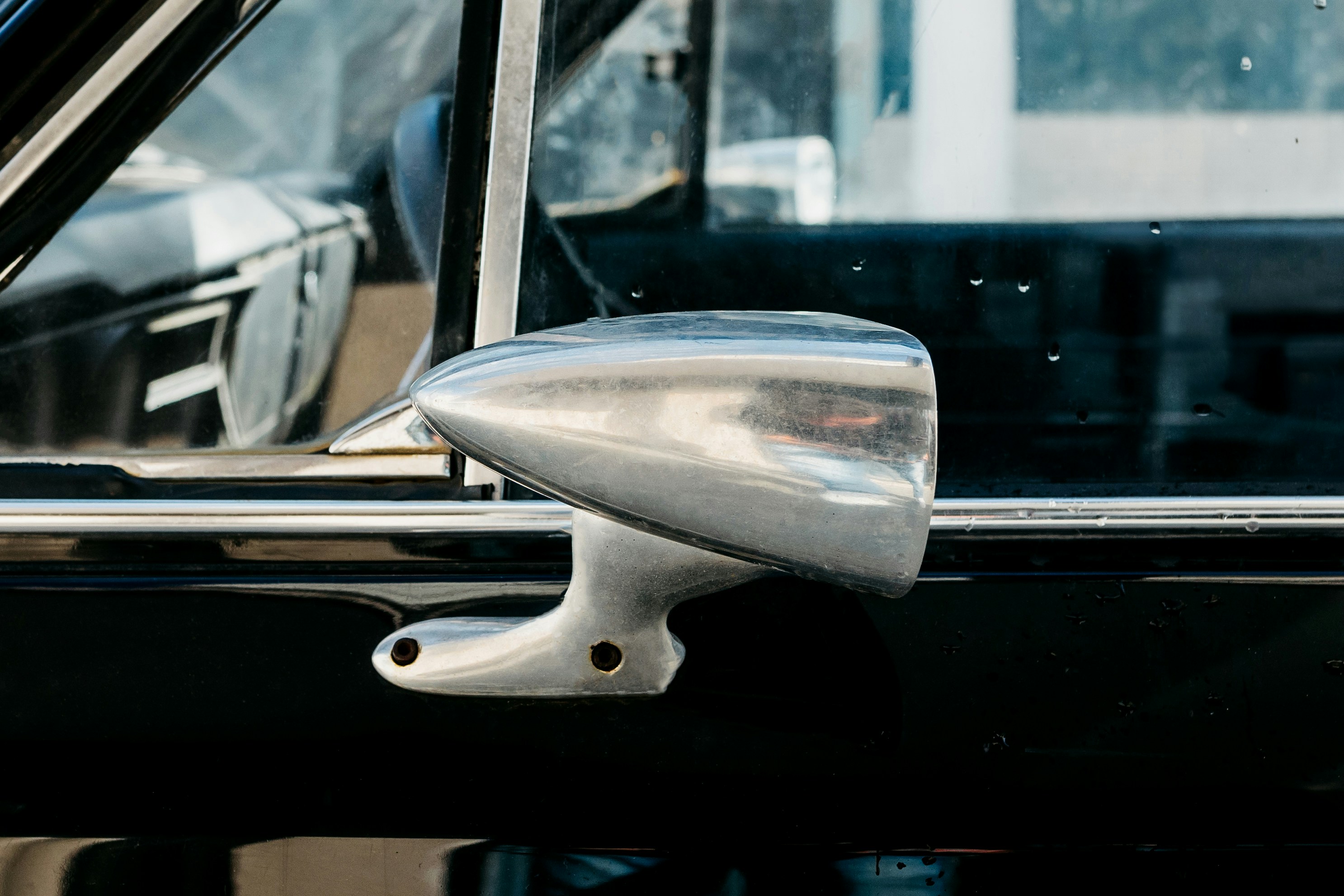
The Role of Side Mirrors in Vehicle Safety and Functionality
Side mirrors are essential components of a vehicle, playing a significant role in enhancing both safety and functionality during driving. Their primary purpose is to provide the driver with a clear view of the surroundings, particularly areas that are not visible through the windshield or rearview mirror. This visibility is crucial when performing maneuvers such as lane changes, parallel parking, and merging onto highways, where blind spots can pose serious risks.
Modern vehicles often feature advanced side mirrors equipped with various technologies aimed at improving safety. For instance, blind spot sensors alert drivers when there are vehicles lurking in the blind spot, thereby mitigating the risk of collisions. Self-adjusting mirrors are another noteworthy innovation; they automatically adjust their angle to reduce glare from headlights behind the vehicle, making night driving safer and more comfortable.
The design and placement of side mirrors have evolved considerably over the years. Earlier models typically featured simple, manual mirrors that required drivers to adjust them manually for optimal visibility. However, contemporary designs emphasize aerodynamic efficiency and functionality while integrating more sophisticated technologies. Some side mirrors now include cameras that offer a wider field of view, providing drivers with real-time images displayed on internal screens. This advancement not only enhances visibility but also reduces reliance on traditional glass mirrors.
Overall, side mirrors serve as a vital safety feature in vehicles, significantly influencing road safety and driving performance. Their continuous evolution reflects advancements in automotive technology and an increasing awareness of the importance of minimizing blind spots. As a result, understanding the role and functionality of side mirrors is essential for both drivers and car enthusiasts alike.
Cost Factors Influencing Side Mirror Replacement
The cost of replacing a car’s side mirror can vary significantly based on several factors. One of the primary distinctions is between Original Equipment Manufacturer (OEM) parts and aftermarket parts. OEM parts tend to be more expensive, as they are specifically designed for the make and model of the vehicle. In contrast, aftermarket parts are often more affordable but may not always meet the same quality standards as their OEM counterparts. This difference in parts can directly influence the overall cost of the replacement.
Additionally, labor costs play a crucial role in the total expense. Professional installation may warrant a higher price due to the expertise required, especially for modern vehicles that include advanced technology in their side mirrors, such as integrated turn signals or blind-spot detection systems. Conversely, a DIY replacement can save labor costs, yet it requires sufficient mechanical skills and tools. Individuals opting for this route should weigh the potential savings against the risk of installation errors that could lead to additional costs.
Different car brands and models also present unique cost implications. For example, luxury and performance vehicles such as BMW often feature specially designed side mirrors that can be more costly to replace compared to standard model mirrors. The complexity of the components involved may further elevate these expenses. In addition, if the side mirror requires repainting or repairing, these services can add to the total cost, especially if the color must be matched precisely to the vehicle’s paint scheme.
Understanding these various factors is essential for drivers to prepare adequately for the potential costs associated with side mirror replacement. Knowledge about the differences in parts, labor costs, and other specific considerations ensures informed decision-making for a smoother replacement process.
Common Questions About Side Mirror Prices and Replacement
When it comes to vehicle maintenance, understanding the costs associated with side mirror replacement is essential for car owners. One of the foremost questions is, “How much does it cost to replace a side mirror?” The price can vary widely depending on the make and model of the vehicle, ranging from as low as $100 to over $500 for luxury makes. This cost typically includes both the mirror assembly and labor charges if professional installation is required.
Another prevalent inquiry is regarding the repainting costs of a BMW’s side mirror. The repainting process can cost between $50 and $150, depending on factors such as the paint type and the labor rates in the area. This price typically encompasses surface preparation, paint application, and clear-coat processes to ensure a seamless finish, often reflecting the vehicle’s original color.
In addition, car enthusiasts often wonder about the differences between replacing only the side view mirror glass versus the entire mirror assembly. Generally, replacing just the glass can be significantly less expensive, with prices ranging from $20 to $100. However, if the housing or electrical components are damaged, full replacement may be necessary, leading to higher costs.
Furthermore, many might ask why older vehicles commonly had only one side mirror. Historically, regulations allowed for just one mirror on the driver’s side. As safety standards evolved, legislation now mandates that most modern vehicles come equipped with dual mirrors to enhance visibility and reduce blind spots. Lastly, it is worth noting that not all vehicles include self-adjusting rearview mirrors. This feature is typically found in higher trim levels or luxury models but may not be standard across all categories.
Maintaining and Caring for Your Side Mirrors to Save Costs
Regular maintenance and care for your vehicle’s side mirrors are essential practices that can significantly prolong their lifespan and help you avoid unnecessary replacement costs. Car owners should start with routine inspections, which should be conducted monthly or whenever they wash their vehicles. Check for any visible cracks, chips, or misalignments that could indicate underlying issues. Early identification of such problems can prevent them from worsening and leading to expensive repairs or replacements.
Cleaning your side mirrors properly is another vital aspect of maintenance. Use a soft microfiber cloth and a gentle glass cleaner to remove dirt, grime, and fingerprints. Harsh chemicals, particularly those containing ammonia, can cause damage to both the mirror surface and the housing. When cleaning, ensure that you also pay attention to the edges, where debris can build up and lead to corrosion. Furthermore, consider circular motions to avoid scratches during the cleaning process.
Protective measures against harsh weather conditions can also aid in extending the life of your side mirrors. In areas prone to heavy rain, snow, or extreme temperatures, using protective covers when parked can shield the mirrors from the elements. Additionally, when driving in adverse weather, adjust the mirrors frequently to minimize the build-up of ice or water, which could lead to motor failure in self-adjusting models.
Common issues with side mirrors may arise over time, such as malfunctioning motors in models equipped with automatic adjustments or problems with integrated blind spot sensors. Regular inspections can help catch these issues early on. If any malfunction is noticed, addressing it promptly can save costs associated with complicated repairs. By following these maintenance practices, drivers can enhance the performance and durability of their side mirrors, thus avoiding unforeseen expenses down the road.